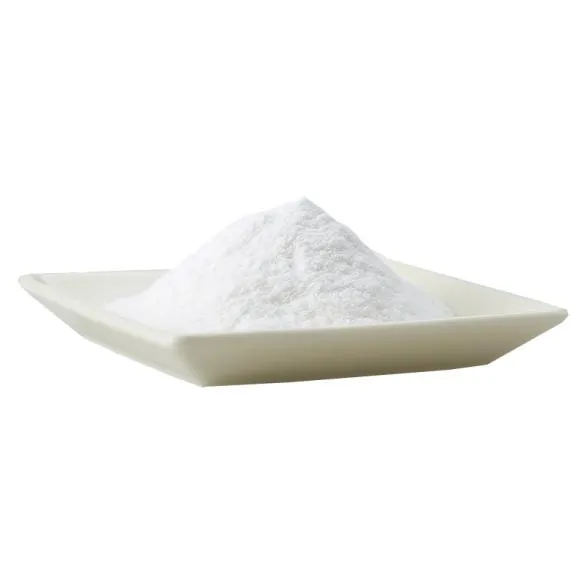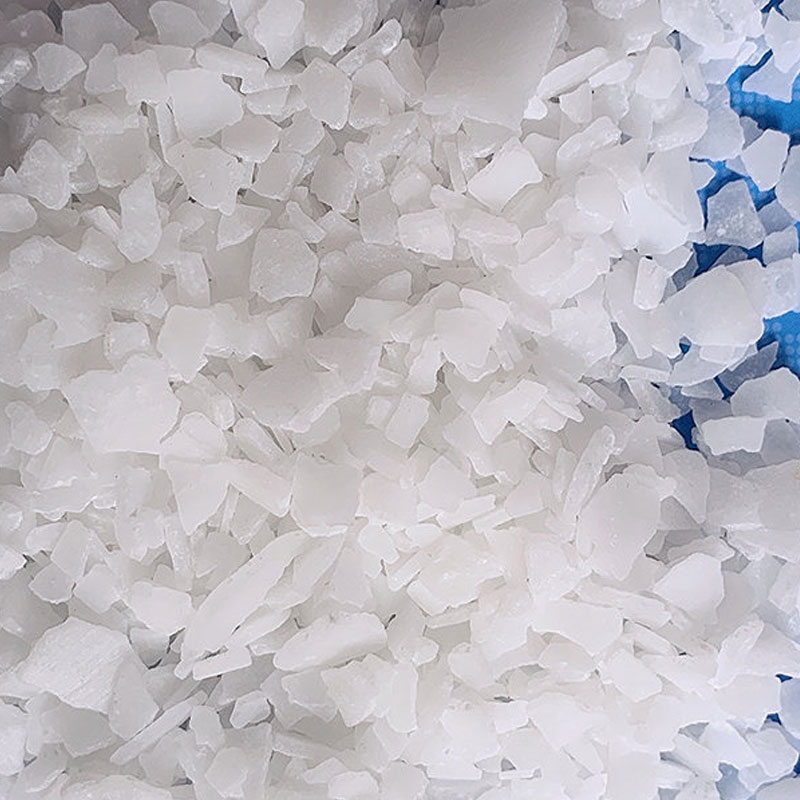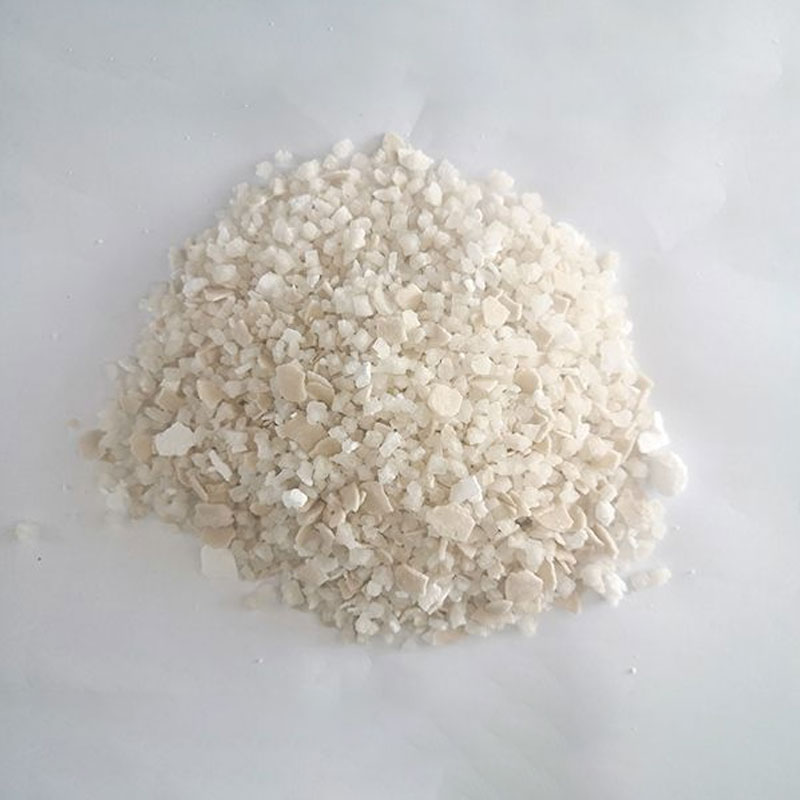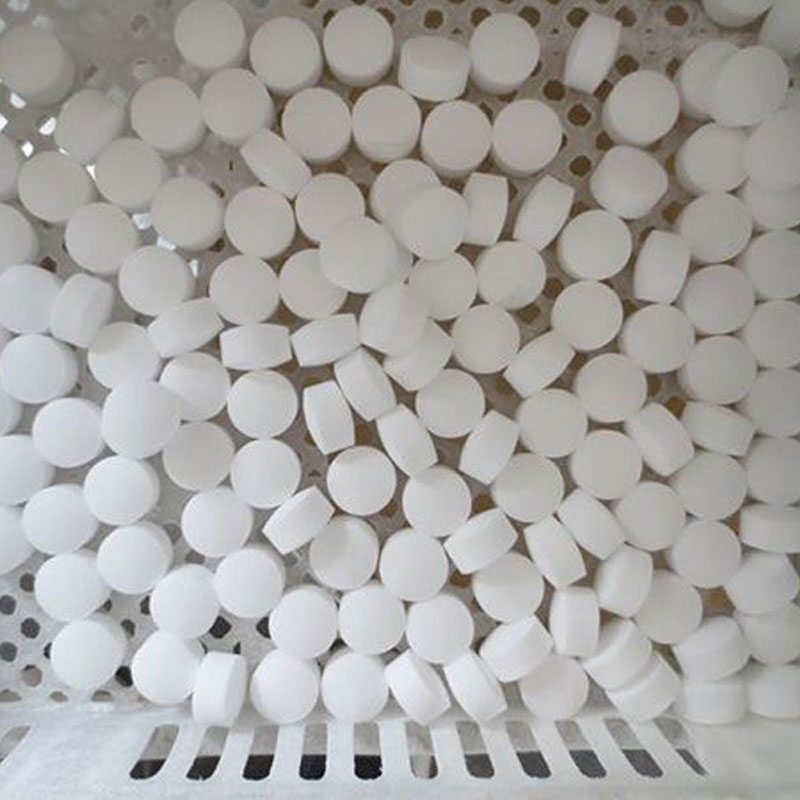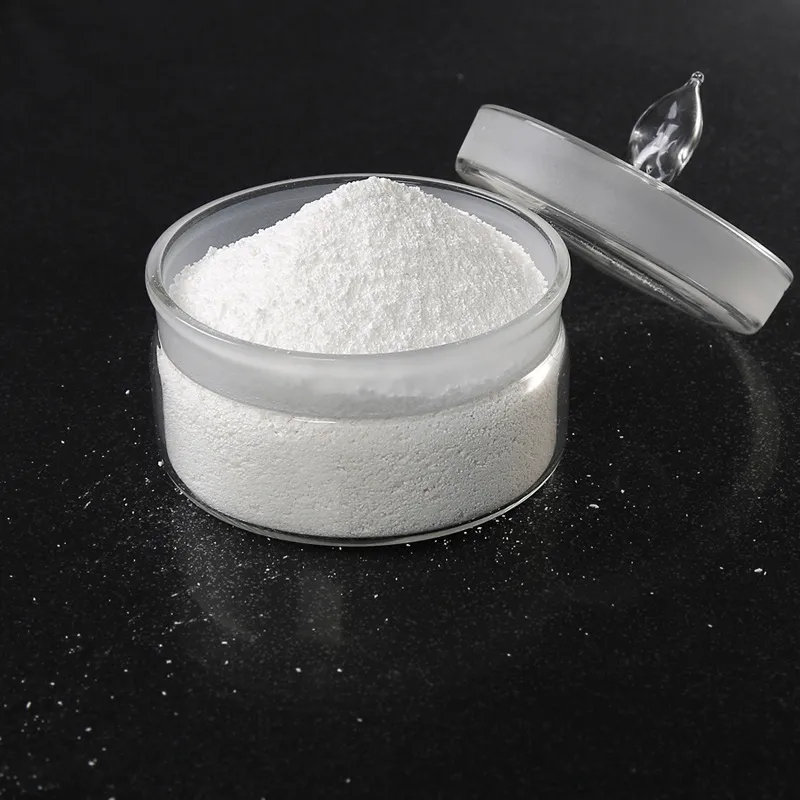
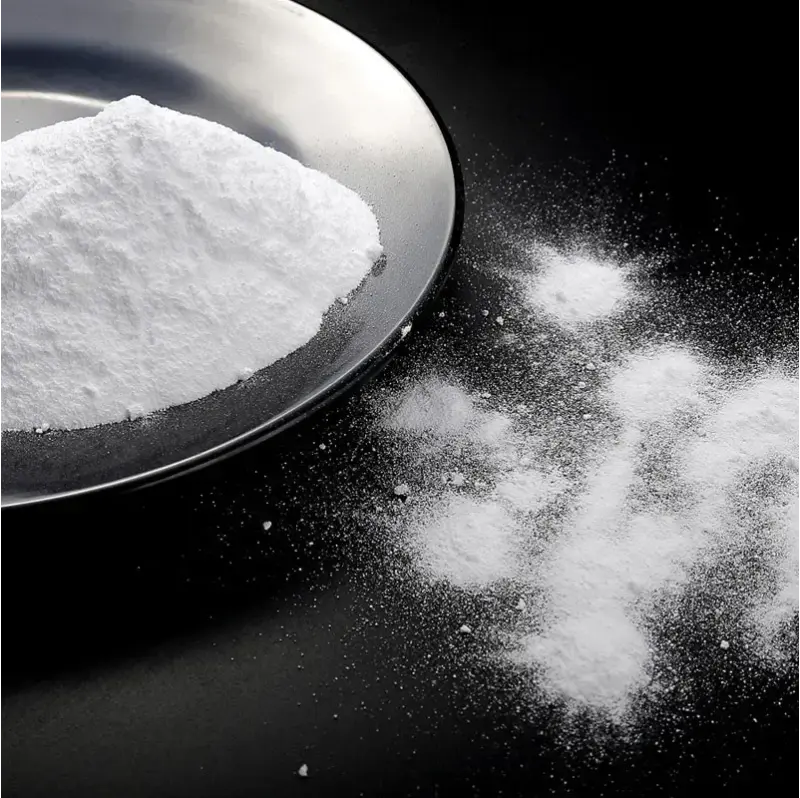
Soda ash, chemically known as sodium carbonate, has the molecular formula Na₂CO₃, molecular weight of 105.99, and CAS number 497-19-8. Although commonly called "soda ash," it is chemically classified as a salt rather than an alkali, yet its aqueous solution is strongly alkaline (1% aqueous solution pH ≈ 11.5). In international trade, it is also known as soda, soda ash, or washing soda.
At room temperature, it appears as a white, odorless powder or granular crystalline substance, readily soluble in water. It has strong hygroscopicity and tends to absorb moisture and cake in humid air, partially converting to sodium bicarbonate.
Core Value: Soda ash is known as the "Mother of Chemicals" and serves as an indispensable basic chemical raw material in glass, chemical, daily chemical, food, metallurgical, and other industries.
|
Classification |
Type |
|
By Application |
Industrial Grade, Food Grade |
|
By Density |
Light Soda Ash (bulk density 0.45-0.60 g/ml), Dense Soda Ash (bulk density ≥0.90 g/ml) |
|
By Chloride Content |
Regular Alkali, Low-Salt Alkali |
|
By Purity |
Regular Soda Ash, High-Purity Soda Ash (purity ≥99.9%) |
Stable Quality, High Purity: Strictly manufactured in accordance with national standards, with main content of both industrial and food grades reaching ≥99.2%. All impurity indicators are superior to national standard requirements with excellent batch-to-batch stability.
Multiple Specifications, Flexible Choices: Offering light soda ash, dense soda ash, food grade soda ash, low-salt alkali, and other specifications to meet the needs of various industries including glass manufacturing and food processing.
Direct Sourcing, Competitive Pricing: Established long-term strategic partnerships with major domestic soda ash manufacturers. Direct sourcing eliminates intermediate links, providing customers with competitive pricing. Maintains ample inventory year-round to ensure stable supply.
Professional Services, Full Support: Professional technical team providing full-process services from selection consultation and usage guidance to after-sales tracking. Customized packaging and logistics solutions available upon request.
Industrial Grade Light Soda Ash (GB/T 210-2021)
|
Test Item |
Premium Grade |
First Grade |
Qualified Grade |
|
Total Alkali (as Na₂CO₃, dry basis), % |
≥99.2 |
≥98.8 |
≥98.0 |
|
Sodium Chloride (dry basis), % |
≤0.70 |
≤0.90 |
≤1.20 |
|
Iron (Fe) Content, % |
≤0.0035 |
≤0.006 |
≤0.010 |
|
Water Insoluble Matter, % |
≤0.03 |
≤0.10 |
≤0.15 |
|
Sulfate (as SO₄²⁻), % |
≤0.03 |
≤0.08 |
— |
|
Bulk Density, g/ml |
0.45-0.60 |
0.45-0.60 |
0.45-0.60 |
Industrial Grade Dense Soda Ash (GB/T 210-2021)
|
Test Item |
Premium Grade |
First Grade |
|
Total Alkali (as Na₂CO₃, dry basis), % |
≥99.2 |
≥98.8 |
|
Sodium Chloride (dry basis), % |
≤0.70 |
≤0.90 |
|
Iron (Fe) Content, % |
≤0.0035 |
≤0.006 |
|
Water Insoluble Matter, % |
≤0.03 |
≤0.10 |
|
Bulk Density, g/ml |
≥0.90 |
≥0.90 |
Food Grade Sodium Carbonate (GB 1886.1-2021)
|
Test Item |
Specification |
|
Total Alkali (as Na₂CO₃, dry basis), % |
≥99.2 |
|
Chloride (as Cl), % |
≤0.70 |
|
Iron (Fe), % |
≤0.0035 |
|
Heavy Metals (as Pb), % |
≤0.001 |
|
Arsenic (As), % |
≤0.0002 |
|
Water Insoluble Matter, % |
≤0.03 |
Glass Industry (Largest Application Sector)
Soda ash primarily serves as a flux in glass production, reducing the melting temperature of quartz sand while providing the sodium oxide component required for glass.
Flat Glass / Float Glass: Approximately 0.2 tons of dense soda ash consumed per ton of glass
Photovoltaic Glass: Demand continues to grow rapidly with the expansion of the PV industry
Container Glass, Optical Glass / Specialty Glass: Higher purity requirements, typically using high-purity soda ash
Used in manufacturing sodium silicate (water glass), sodium bicarbonate (baking soda), sodium fluoride, dichromates, trisodium phosphate, and other chemicals.
Textile and Dyeing Industry
Used as water softener, scouring agent, dyeing auxiliary, and pH regulator for cotton fabric scouring, reactive dye fixation, and printing/dyeing wastewater treatment.
Food Processing Industry
Food grade soda ash serves as a food additive for flour product processing (improving dough properties), dairy processing (acidity regulation), beverage production (pH adjustment), and food equipment cleaning.
Metallurgical Industry
Used as smelting flux, flotation agent, and steelmaking desulfurizer.
Water Treatment and Environmental Protection
Used for water softening, acidic wastewater neutralization, boiler feed water treatment, and flue gas desulfurization.
Other Applications
Paper industry (pulp cooking), leather industry (leather degreasing), daily chemicals (detergents, soaps), pharmaceutical industry (pharmaceutical raw materials), and others.
Authoritative Certifications: ISO 9001 Quality Management System, ISO 14001 Environmental Management System, Food Production License (SC certification), and others.
Quality Control: Full quality control from raw material inspection, production process monitoring, finished product testing, to pre-shipment re-inspection. Certificate of Analysis (COA) provided with every batch.
Applicable Standards:
Industrial Grade Soda Ash: GB/T 210-2021 "Industrial Sodium Carbonate"
Food Grade Soda Ash: GB 1886.1-2021 "National Food Safety Standard - Food Additive Sodium Carbonate"
Quality Commitment: All products come with a Certificate of Analysis (COA). In case of quality issues, we commit to unconditional replacement or return with corresponding compensation.
Packaging Specifications
|
Packaging Type |
Specifications |
Application Scenarios |
|
Woven Bag + Inner Liner |
25kg/bag, 40kg/bag, 50kg/bag |
Small batch purchases, laboratory use |
|
Ton Bag (FIBC) |
500kg/bag, 1000kg/bag |
Industrial production, large batch purchases |
|
Bulk |
Tank truck transport |
Large glass plants, chemical enterprises |
Delivery Information
Delivery Time: Regular specifications in stock, shipment within 1-3 working days after payment receipt
Shipping Locations: Multiple warehouses in Weifang (Shandong), Nantong (Jiangsu), and Guangzhou (Guangdong) for nearest delivery
Transportation Methods: Truck, railway, and sea freight options available
Export Services: One-stop export services including customs declaration, commodity inspection, and booking
Storage Precautions
Store in a cool, dry, well-ventilated dedicated warehouse. Temperature should be controlled between -10°C and +35°C, with relative humidity below 60%. Keep separate from acids, ammonium compounds, and flammable materials. Keep packaging sealed to prevent moisture absorption and caking.
Q: Is soda ash classified as a hazardous chemical?
A: No. According to the "Catalog of Hazardous Chemicals," soda ash (sodium carbonate) is not listed. However, it is corrosive and irritating, so protective measures should be taken during handling.
Q: What is the difference between light soda ash and dense soda ash?
A: Light soda ash has a bulk density of 0.45-0.60 g/ml with finer particles and faster dissolution speed. Dense soda ash has a bulk density of ≥0.90 g/ml with larger particles and less dust, suitable for glass manufacturing and other applications requiring higher density.
Q: What is the difference between industrial grade and food grade soda ash?
A: Food grade soda ash complies with GB 1886.1-2021 with strict limits on heavy metals, arsenic, and other toxic substances. Industrial grade complies with GB/T 210-2021, primarily controlling main content and general impurities. Food processing must use food grade soda ash; industrial grade is strictly prohibited as a substitute.
Q: Can caked soda ash still be used?
A: Soda ash partially converts to sodium bicarbonate after moisture absorption, but the main component remains sodium carbonate. Lightly caked material can be crushed and used normally. For severe caking or prolonged storage, testing the main content before use is recommended.
Q: Are soda ash and baking soda the same substance?
A: No. Soda ash is sodium carbonate (Na₂CO₃), while baking soda is sodium bicarbonate (NaHCO₃). They have different chemical properties and applications.
Q: What is the shelf life of soda ash?
A: Under sealed and dry storage conditions, the shelf life is 12 months. After expiration, testing for compliance with all indicators before use is recommended.
Q: Are samples available?
A: Free samples (up to 500g) are available with shipping costs collect. Mass production can proceed after sample testing to minimize purchasing risk.
Q: What is the minimum order quantity?
A: The minimum order quantity is 1 bag (25kg). Bulk purchases receive more favorable pricing.
For more product information, quotation, or sample requests, please contact the KYHG® sales team.
Sales Hotline: +86-13455699981
Email: liu@kunyangchem.com
Address: No. 17, Dongxin Road, Industrial Park, HouTown, Shouguang City, Weifang City, Shandong Province, China
Address
No. 17, Dongxin Road, Industrial Park, HouTown, Shouguang City, Weifang City, Shandong Province, China
Tel