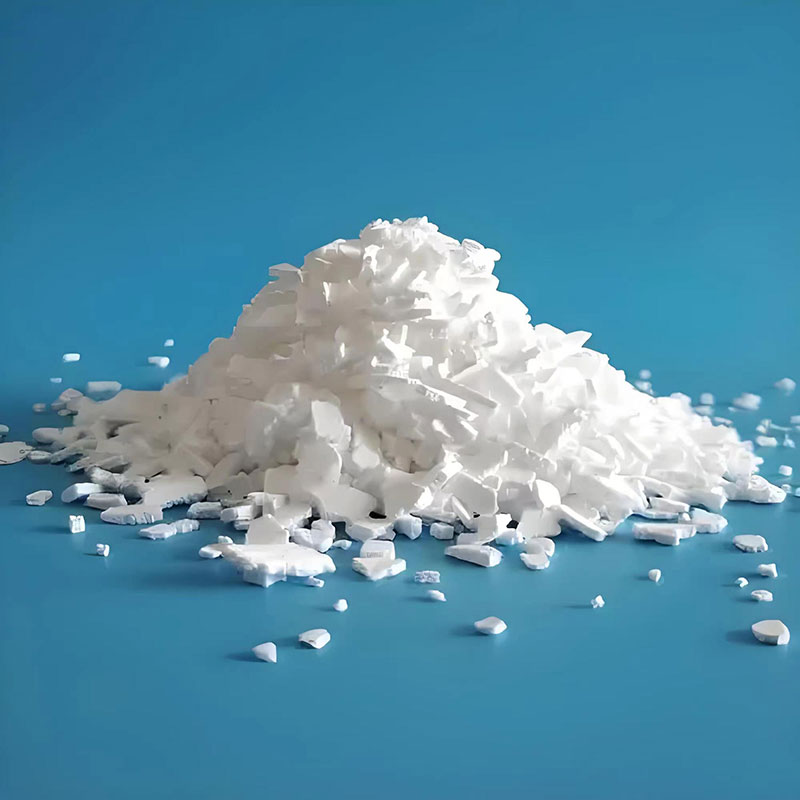
Article Summary: Water softener salt is an essential component for removing hardness in water, preventing scale build-up, and extending the life of plumbing systems. This article explores how water softener salt works, its different types, applications, and answers common questions for homeowners and businesses. KYHG provides high-quality water softener salt solutions for effective and reliable water treatment.

Table of Contents
- Introduction to Water Softener Salt
- Types of Water Softener Salt
- Key Benefits and Applications
- Frequently Asked Questions
- Conclusion and Contact Information
Introduction to Water Softener Salt
Hard water contains high levels of calcium and magnesium ions, which can cause scale formation in pipes, reduce appliance efficiency, and affect water taste. Water softener salt, commonly composed of sodium chloride or potassium chloride, plays a critical role in ion exchange water softening systems. By replenishing the resin in the softener tank, it helps remove hardness minerals, providing smooth, soft water for domestic and industrial use.
The main objective of this article is to explain how water softener salt works, highlight the different types available, and provide practical guidance for selection and maintenance.
Types of Water Softener Salt
Water softener salt comes in various forms to suit different system requirements. The following table summarizes the most common types:
| Type | Description | Typical Usage |
|---|---|---|
| Solar Salt | Produced by evaporating seawater naturally using sunlight. Contains up to 99% sodium chloride. | Suitable for most residential water softeners; dissolves slowly to reduce bridging. |
| Rock Salt | Mined directly from underground salt deposits. Usually contains impurities like calcium and magnesium. | Best for larger or commercial water softening units; cost-effective but may need frequent cleaning. |
| Evaporated Salt | High-purity sodium chloride, refined to remove most insoluble impurities. | Recommended for high-efficiency water softeners; prevents scaling and extends resin life. |
| Potassium Chloride | Alternative to sodium-based salts for low-sodium water needs; slightly more expensive. | Used in health-conscious households or specialized softening systems. |
Key Benefits and Applications
Using high-quality water softener salt, such as those supplied by KYHG, offers multiple advantages:
- Prevents Scale Formation: Reduces calcium and magnesium deposits in pipes, water heaters, and appliances.
- Improves Soap Efficiency: Soft water allows detergents and soaps to lather more effectively, reducing cleaning costs.
- Prolongs Appliance Lifespan: Minimizes corrosion and buildup in water-using devices.
- Enhances Water Taste: Removes mineral bitterness associated with hard water.
- Supports Sustainable Water Systems: High-purity salts minimize system maintenance and waste generation.
Applications include residential water softeners, hotels, hospitals, restaurants, and industrial water treatment facilities.
Frequently Asked Questions
Q1: How often should water softener salt be replenished?
A1: Salt levels should be checked monthly. The frequency of replenishment depends on water hardness, household size, and water usage. Maintaining the recommended salt level ensures consistent water softening performance.
Q2: Can any type of salt be used in my water softener?
A2: Not all salts are suitable. Evaporated and solar salts are ideal for most systems, while rock salt may leave impurities and require cleaning. Potassium chloride can be used for low-sodium water but may need adjustment of regeneration settings.
Q3: Does water softener salt affect drinking water safety?
A3: Properly used water softener salt does not compromise water safety. Sodium levels increase slightly, but for most users, this remains within safe limits. Potassium chloride is a safe alternative for low-sodium preferences.
Q4: What happens if the water softener runs out of salt?
A4: If the salt level is depleted, the resin will not regenerate fully, and hardness minerals will begin to appear in the water. This may lead to scale buildup, reduced soap efficiency, and potential appliance damage.
Conclusion and Contact Information
High-quality water softener salt is vital for maintaining soft water, preventing scale, and prolonging the life of plumbing and appliances. KYHG offers a reliable range of salts suitable for residential, commercial, and industrial applications. Their products ensure efficient water softening with minimal maintenance.
For more information or to order KYHG water softener salt, contact us today. Our team is ready to assist you with product selection and provide expert advice for your water treatment needs.