Global expansion of household whole-house water purification and industrial boiler water treatment drives continuous growth of specialized regenerative consumables, and Water Softener Salt becomes an essential core material to restore ion exchange resin activity and prevent scale buildup across diverse water treatment systems. This in-depth guide systematically analyzes global industry development trend, core raw material standards, diversified product classifications, multi-scenario application specifications and standardized storage & usage tips, combining real factory production data and end-user practical feedback from professional Chinese chemical manufacturers. Residential homeowners, commercial facility managers and industrial procurement specialists can acquire systematic product selection criteria to cut long-term equipment maintenance cost and optimize overall water softening efficiency after full content reading.
Rising public awareness of healthy domestic water quality and increasingly strict industrial environmental regulations continuously fuel global demand for standard water softening supplies. Authoritative statistics from international water treatment chemical research institutions reveal the worldwide water softener consumable market maintains a steady annual growth rate of 5.8% from 2021 to 2026, with Asia-Pacific, North America and European markets occupying the top three consumption shares of the whole industry.

More families install whole-house water softening systems to reduce limescale damage on water heaters, washing machines and kitchen appliances, while hotels, hospitals, food processing factories and thermal power plants upgrade old water treatment equipment to cut boiler scaling-related energy waste. Such dual demand from residential and industrial sides greatly expands downstream purchasing volume of professional softening salt year after year.
| Consumption Region | Market Occupation Rate | Dominant Salt Grade | Main End User Categories |
|---|---|---|---|
| North America | 37.2% | Food Grade High Purity Pellet Salt | Household & Large Chain Hotels |
| European Union | 31.5% | Food Certified Block Salt | Food Factory & Medical Institutions |
| Asia-Pacific | 22.7% | Industrial & Household Dual-use Salt | Industrial Boiler & Residential Users |
| Middle East & Latin America | 8.6% | Economical Raw Rock Salt | Small Manufacturing Workshops |
Product purity is the core indicator deciding regenerative efficiency of ion exchange resin, as excess impurities like calcium, magnesium and insoluble particles will block resin structure and cause permanent poisoning after long-term continuous application. Formal manufacturers classify finished goods by raw material source and physical shape to satisfy differentiated usage needs from various customers.
According to global universal industry specifications, premium household-level products require sodium chloride content above 99.5%, while regular industrial-grade items reach no less than 99.3% purity, with insoluble substance strictly controlled under 0.05% to minimize equipment blocking risks during resin regeneration cycle.
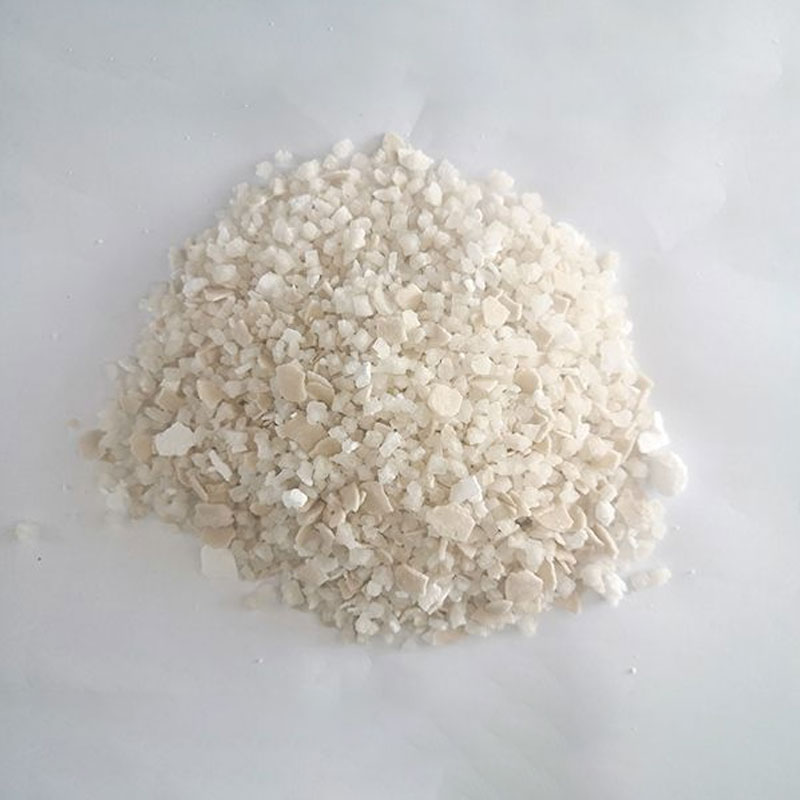
● Raw Material Classification: Underground refined rock salt with ultra-high purity and natural sea salt with relatively more trace impurities for low-cost industrial projects
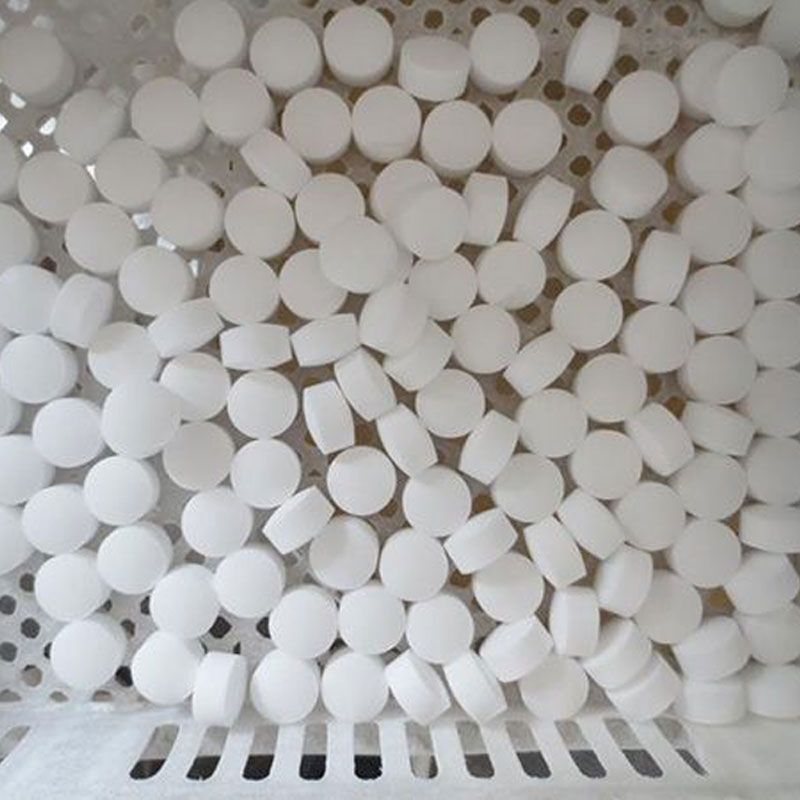
● Physical Form Classification: Large block salt for big industrial softener tanks and small pellet/granular salt for standard household softener equipment
● Grade Classification: Food-safe household grade and general industrial grade matching different water treatment working environments
Before confirming formal bulk purchase contracts, procurement personnel need to verify multiple core testing indicators to avoid inferior salt products leading to frequent softener breakdown and extra maintenance expense. Complete quality inspection covers purity index, insoluble residue content, anti-caking performance and average dissolution speed under normal ambient temperature.
Anti-caking capability is an easily overlooked but vital performance factor, especially for products transported across humid tropical regions; qualified goods can keep loose particle status under 80% relative humidity for over 72 hours without solid bulk agglomeration inside sealed packages.
Buyers with special high-hardness raw water can ask manufacturers to provide customized formula salt with trace auxiliary cleaning additives to lift overall resin regeneration efficiency for local unique water composition.
Thanks to reliable resin regeneration performance, qualified softening salt gets widely adopted across residential, commercial catering, medical and heavy manufacturing sectors, and each field sets personalized product selection standards based on local water hardness level and running equipment specification.
Used for whole-house softener connected with water heater, washing machine and dishwasher to eliminate limescale and extend household appliance service life.
Suitable for central water softening system and commercial dishwashers to reduce detergent consumption and improve tableware cleaning effect.
High-purity certified products required for lab and hospital purified water pretreatment to satisfy strict medical water standards.
Industrial-grade variants prevent boiler inner wall scaling and lower fuel consumption during long-time continuous production.
As global water quality management requirements grow stricter year by year, Water Softener Salt gradually becomes essential regular consumable for nearly all standardized water softening projects worldwide.
Improper storage and incorrect feeding methods are top two causes of abnormal softener working performance, and following unified operational rules can maximize product utilization rate and cut unnecessary material waste effectively.
● Warehouse Storage: Keep packaged goods in cool dry indoor space away from open rain and high-humidity ground to prevent moisture absorption and caking
● Softener Tank Filling: Refill salt when tank liquid level drops to preset standard line, never mix ordinary edible iodized salt or crude industrial salt into dedicated softener tank
● Periodic Inspection: Clear accumulated insoluble sediment at tank bottom every 2~3 months to avoid blocking suction pipeline of softener equipment
Many small factories and individual households ignore above operation rules randomly, resulting in frequent resin deactivation and unexpected softener shutdown which brings extra maintenance cost and production interruption losses.
Q1: Can regular edible table salt replace dedicated softener salt for water softening equipment?
A1: No, most edible salt contains iodine additive and excessive anti-caking agent which will damage ion exchange resin and shorten whole softener service lifespan severely.
Q2: What is the valid shelf life for properly sealed softener salt products?
A2: Under cool dry storage environment, formal packaged goods can keep stable physical and chemical property for up to 24 months without quality deterioration.
Q3: Is customized formulation service available for special high-hardness raw water conditions?
A3: Reliable chemical manufacturers support customized product development according to client’s local water quality testing reports and equipment parameters.
Q4: What is the average monthly consumption amount for standard household softener system?
A4: Average domestic system consumes around 15kg~30kg salt monthly, varying based on local tap water hardness and daily total water usage volume.
Q5: Do manufacturers provide third-party official test reports for bulk order goods?
A5: Qualified suppliers can issue authoritative product inspection documents to clients before large batch delivery for import customs clearance and internal quality verification.
With abundant raw salt resource advantages and mature fine chemical production technology in Shandong Province, Weifang Kunyang Chemical Co., Ltd. focuses on R&D and mass production of diversified softening salt items covering household food-grade pellet salt and industrial block salt, all finished products pass strict purity and dissolution testing before factory shipment to satisfy global diversified market procurement requirements.
The enterprise’s products have been steadily exported to over 40 countries across North America, Europe, Southeast Asia and Middle East, establishing long-term stable cooperation with water treatment distributors, hotel procurement groups and industrial manufacturing enterprises all over the world.
With worldwide growing demand for standardized water treatment consumables, high-quality Water Softener Salt manufactured by certified factories achieves continuous year-on-year export growth in international chemical material market.
Search for trustworthy softening salt manufacturer with stable quality and factory competitive price? contact us immediately to get detailed product specification sheet and exclusive bulk quotation!
Submit Purchasing InquiryFrom global market research, product grading introduction, procurement screening tips, multi-field application overview and standardized maintenance guidance to trustworthy supplier recommendation, all-round analysis fully proves that high-quality Water Softener Salt is irreplaceable core consumable for modern residential and industrial water softening projects. Balancing stable regenerative performance, reasonable cost and diversified product specifications, premium softening salt will keep expanding global market share alongside the continuous popularization of whole-house water purification and industrial water upgrading projects.
Homeowners and industrial procurement managers can follow above selection rules to pick matched softening supplies to protect water treatment equipment and reduce long-term system maintenance expenses effectively.
-